
Introduction
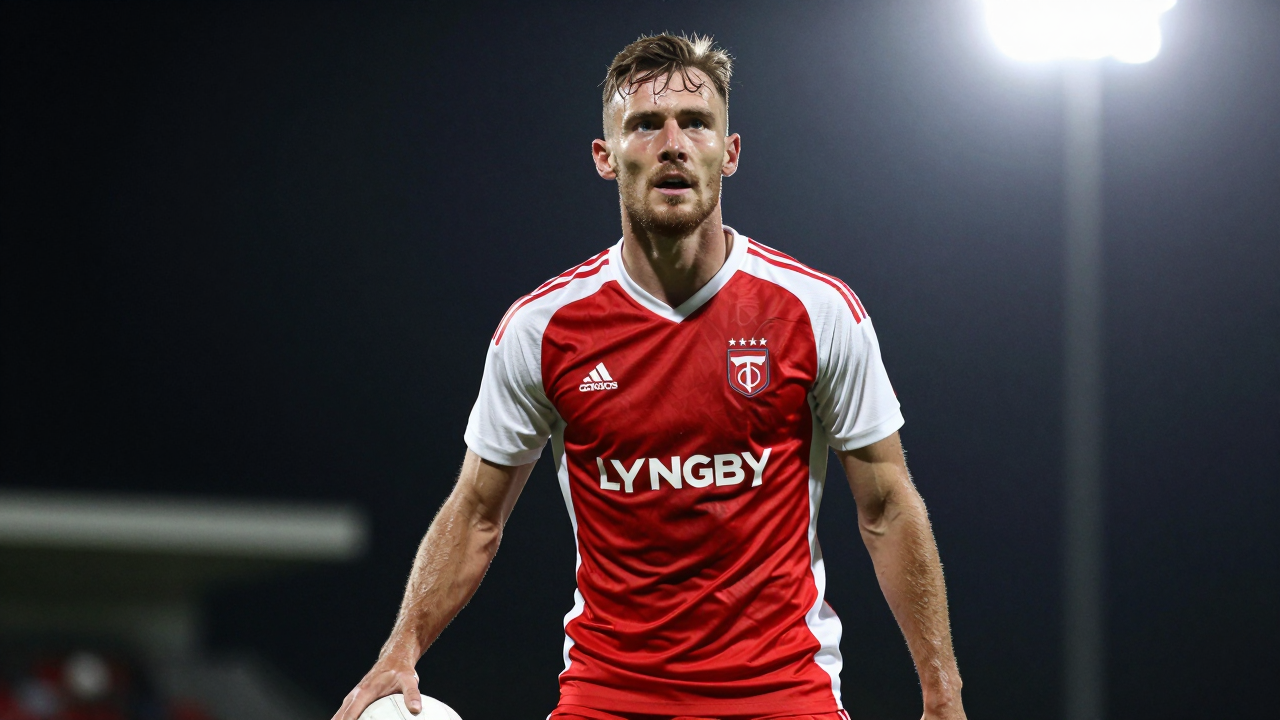
Lyngby Boldklub, affectionately known as De Kongeblå, has recently experienced a rollercoaster of form in the league. While the squad possesses undeniable talent, tactical consistency has eluded them at times. Understanding the nuances of their recent performances can provide valuable insights for potential adjustments that may lead to better outcomes on matchday.
Current Tactical Setup
Lyngby has predominantly employed a 4-2-3-1 formation, which allows for a strong midfield presence and flexibility in attack. This setup has enabled the team to exploit the wings effectively, utilizing the pace of their wingers and the creativity of central attacking players. However, recent matches have revealed weaknesses in this approach, particularly in their defensive transitions and the ability to maintain possession under pressure.
Analyzing Recent Form
In their last few outings, the defensive line has been caught out of position, leading to counter-attacking opportunities for opponents. The full-backs have often pushed too high, leaving gaps that rivals exploit. Midfielders, while dynamic, sometimes struggle to drop back quickly to offer support, resulting in a disjointed defensive shape.
Offensively, while Lyngby displays flashes of brilliance, the final third can feel congested. There’s a tendency to over-rely on individual brilliance rather than cohesive team play. This has occasionally led to a lack of clear goal-scoring chances, as defenders can easily close down space when the team becomes predictable.
Suggested Tactical Tweaks
1. Defensive Solidity: To address the defensive lapses, a shift to a more structured 4-3-3 formation might benefit the team. This configuration not only bolsters the midfield but allows for better coverage during transitions. By adding an additional midfielder, Lyngby can maintain possession more effectively and provide defensive support, especially when the full-backs venture forward.
2. Wing Play Enhancement: Although the current wingers have speed, more emphasis on overlapping runs from full-backs could create additional space. By encouraging full-backs to join the attack while wingers cut inside, Lyngby can stretch opposing defenses, opening up lanes for through balls or crosses.
3. Fluidity in Midfield: Introducing a more fluid midfield structure, where players interchange positions, could enhance creativity and unpredictability in attack. This approach can make it harder for opponents to track players and create mismatches, particularly against teams that employ man-marking systems.
4. Utilizing Substitutions Wisely: Lyngby’s depth should be leveraged by using substitutions strategically to maintain intensity throughout the match. Introducing fresh legs, particularly in the last 20 minutes, can provide a vital edge, especially against tiring opponents.
Conclusion
Lyngby Boldklub has the potential to solidify their position in the league with minor tactical adjustments. By enhancing their defensive organization, promoting more fluid play in midfield, and maximizing wing play, De Kongeblå can not only improve results but also entertain their loyal fanbase at the Stadium. As the season progresses, these tweaks could be the key to unlocking a more consistent and dominant Lyngby.