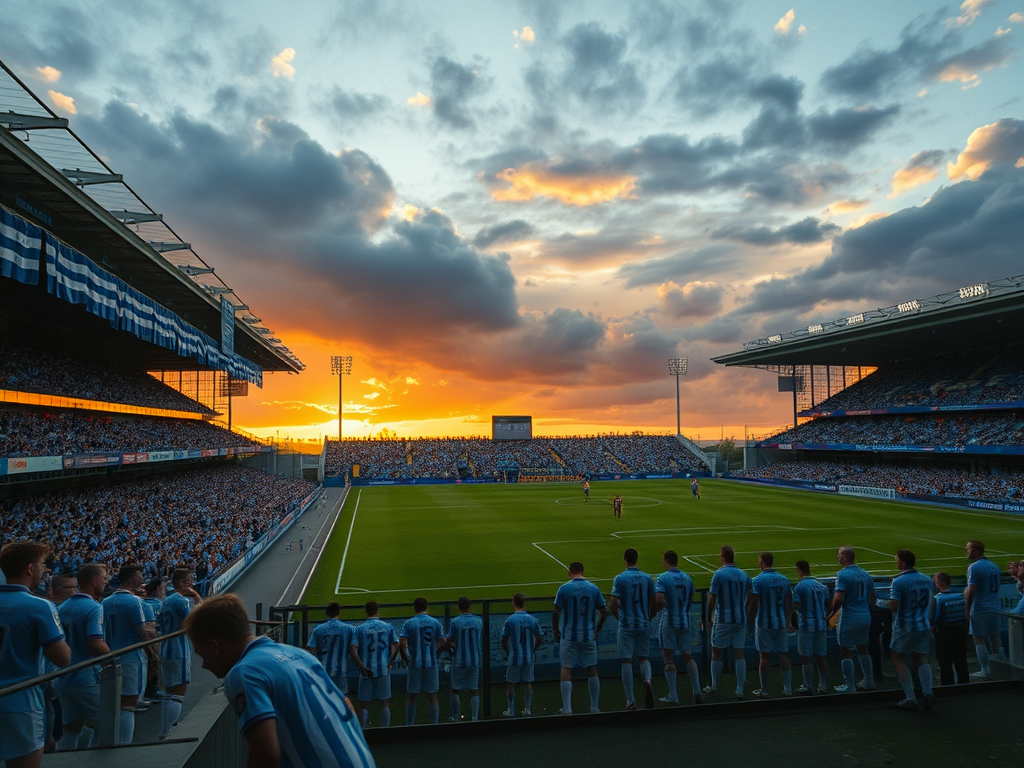
 Lyngby Boldklub Hub
Introduction
Lyngby Boldklub, affectionately known as De Kongeblå, has faced a mixed bag of results in recent weeks. As the club looks to solidify its position in the league, a tactical analysis of their current form reveals both strengths and areas ripe for improvement. By making some strategic tweaks, Lyngby can not only enhance their performance but also rekindle their attacking flair that has characterized their play in the past.
Current Tactical Setup
In recent matches, Lyngby has primarily employed a 4-3-3 formation, which has served as a solid foundation for their gameplay. This setup allows for a balanced approach, providing both defensive stability and attacking width. However, the execution of this formation has at times been inconsistent, leading to a lack of penetration in the final third and vulnerability on the counter.
Strengths and Weaknesses
One of the key strengths of Lyngby's current system is its ability to control the midfield. The trio of central midfielders has displayed good chemistry, winning duels and distributing the ball effectively. However, this strength has often been undermined by a lack of support from the wingers, who have sometimes drifted too centrally, reducing the width and stretching the opposition.
Defensively, the backline has shown resilience, but the team has occasionally looked exposed to quick counter-attacks, particularly when full-backs venture forward without sufficient cover. These defensive lapses have led to conceding unnecessary goals, which has been detrimental to the team’s confidence and results.
Suggested Tactical Tweaks
To address these issues, a few tactical adjustments could make a significant impact on Lyngby’s performance:
1. Wider Play from Wingers: Encouraging wingers to stay wider and stretch the play can open up space for central midfielders and strikers to exploit. This tactic would allow for more one-on-one situations on the flanks, ultimately creating more goal-scoring opportunities.
2. Adjusting Full-Back Roles: While pushing full-backs higher can add width, it is crucial to ensure that they have adequate support when they do so. Implementing a more conservative role for one of the central midfielders during full-back overlaps could maintain defensive solidity and prevent counter-attacks from the opposition.
3. Utilizing a False Nine: Introducing a false nine in place of a traditional striker could confuse opposing defenses and create space for attacking midfielders to make late runs into the box. This change would not only add unpredictability to Lyngby’s attack but also allow their midfielders to contribute more effectively in offensive movements.
4. Focus on Set Pieces: Enhancing their set-piece strategy could also turn the tide for Lyngby. By working on specific routines during training, the team can capitalize on this often-overlooked aspect of the game, adding an extra dimension to their goal-scoring potential.
Conclusion
As Lyngby Boldklub continues to battle for points in the league, these tactical tweaks could provide the spark needed to ignite their campaign. By refining their approach in key areas, De Kongeblå can maximize their strengths while minimizing vulnerabilities, ultimately steering the team toward a more successful season.