 Lyngby Boldklub Hub
Recent Form Overview
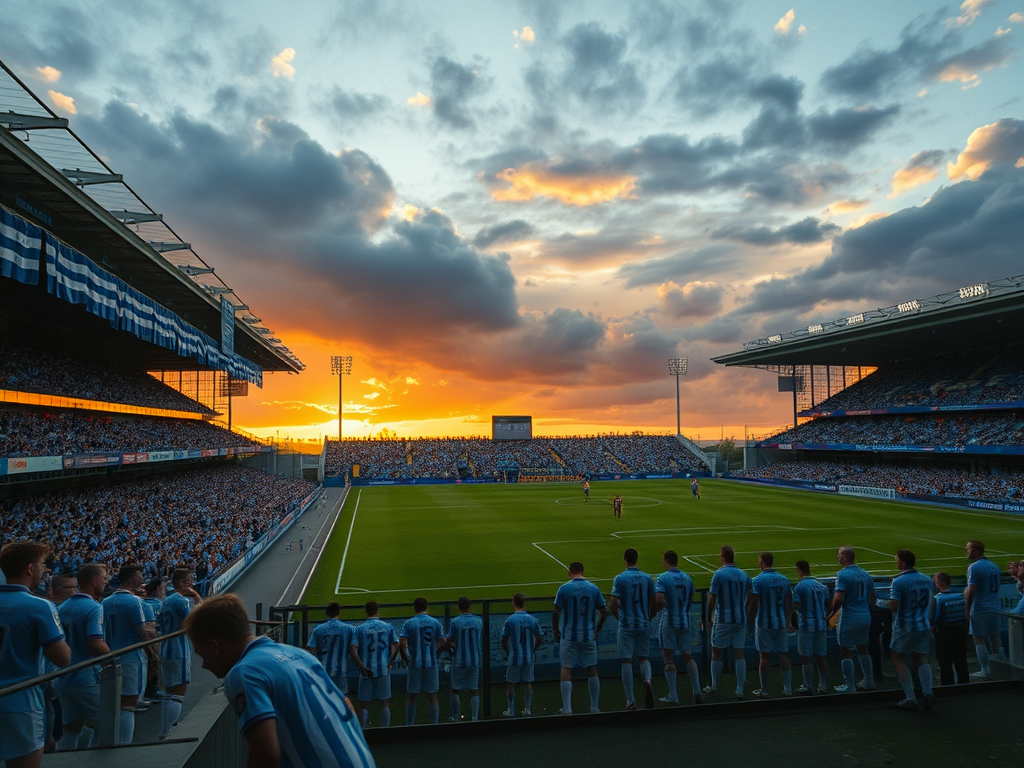
Lyngby Boldklub, known affectionately as De Kongeblå, has had a season marked by fluctuating performances, oscillating between moments of brilliance and frustrating inconsistencies. The team’s recent matches have showcased their attacking intent, yet defensively, they have shown vulnerabilities that opponents have exploited. The need for a tactical recalibration has become apparent, especially as the league progresses and the stakes rise.
Current Tactical Setup
In their preferred 4-3-3 formation, Lyngby has relied on a fluid attacking style that seeks to exploit wide areas, utilizing the pace of their wingers. However, this strategy has sometimes left them vulnerable in central areas, particularly when possession is lost. The midfield trio, while technically proficient, has struggled to maintain the pressing intensity needed to regain possession quickly, allowing opponents to dictate the tempo of the game.
Areas for Tactical Tweaks
1. Defensive Solidity: One of the primary areas for improvement lies within the defensive organization. Transitioning to a 4-2-3-1 formation could provide more stability. By deploying two holding midfielders, Lyngby can better shield the back four and prevent opponents from exploiting gaps between the lines. This adjustment would not only fortify their defense but also allow their full-backs to join the attack more freely, knowing there is cover behind them.
2. Midfield Dynamics: Enhancing midfield cohesion is crucial. Currently, the midfield often appears disjointed, with players not fully synced in their pressing triggers. Implementing a more structured approach to pressing, where players move in unison and apply pressure as a unit, could help regain possession higher up the pitch. This would also allow the forwards to capitalize on defensive errors, creating more scoring opportunities.
3. Utilization of Width: While wingers have been essential in stretching opposition defenses, there needs to be a more deliberate approach to utilizing width effectively. Encouraging the wingers to cut inside more frequently can create space for overlapping full-backs, leading to more dynamic attacking patterns. This would also reduce predictability in their attacks, making it harder for defenses to anticipate their movements.
4. Increased Set-Piece Efficiency: Set pieces represent a crucial opportunity for teams to capitalize on defensive lapses. Lyngby can enhance their effectiveness by incorporating more variation in their corner and free-kick routines. This could involve rehearsed routines that exploit specific defensive weaknesses seen in opponents, turning set-piece situations into genuine scoring threats.
Conclusion
As Lyngby Boldklub continues to navigate the challenges of the league, implementing these tactical tweaks could provide the necessary lift to transform their current form. A more structured defensive framework, improved midfield synergy, and strategic use of width could enhance their overall performance, paving the way for a more consistent and competitive season. With the right adjustments, De Kongeblå can harness their potential and make a significant impact in the league.